
E-book: Expanded material which has revolutionized the industry
-
 What are the key properties and advantages of expanded polypropylene
 -
In which industries is EPP used
-
How does EPP support sustainable development and the circular economy
Fill out the form and read the e-book about EPP!
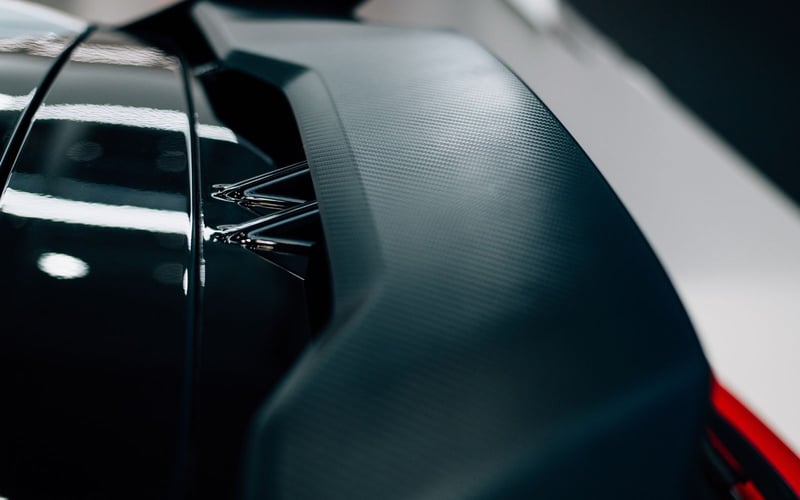
What materials dominate in modern automotive engineering?
Modern plastics such as EPP and EPS are revolutionising the automotive industry by offering lightness, strength and recyclability, which supports sustainable development and CO2 reduction. Thanks to innovative technologies such as injection moulding and 3D printing, these materials enable the integration of functions in complex components, which is crucial for the development of smart and autonomous vehicles. Bioplastics, recycled plastics and fibre-reinforced composites, which combine high strength with a low carbon footprint, are also becoming increasingly important. The future of the automotive industry lies in smart materials, self-repairing components and solutions that combine structural functions with electronics, opening up new possibilities for vehicle design.
We encourage you to visit our website and read the full article to learn more about the innovations that are shaping the future of the automotive industry!