
Ebook - Recycling automotive parts
You will learn:
-
 How the circular economy affects sustainable development in the automotive industry
 -
How innovative materials such as EPP, RELOOPP® and biopolymers contribute to reducing CO2 emissions and conserving natural resources
-
How modern design and manufacturing technologies, such as Double Action Technology (DAT), help reduce the carbon footprint of automotive components
Fill out the form and read the e-book on how plastics can become more sustainable.
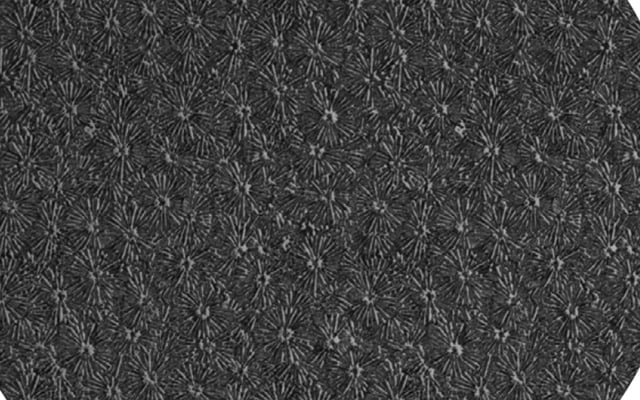
Texturing EPP – aesthetics and functionality combined
We have developed a collection of 36 unique textures across 4 lines inspired by nature, giving EPP components a distinctive design and luxurious appearance. Thanks to our advanced texturing technologies, the parts gain refined aesthetics while maintaining their lightweight properties and full recyclability. The design process includes 3D visualizations and digital prototypes, allowing us to precisely tailor the texture to the client’s needs. For us, textured EPP elements represent a combination of modern design, time and cost efficiency, and comprehensive support at every stage of the project.